


Is Physical and Mental Training Important for Simulator Racing?
In recent years, simulator motor racing has become increasingly popular, with many enthusiasts competing in virtual racing series around the world. While it may seem like a simple video game, simulator motor racing requires a high level of skill, focus, and physical fitness to compete at the highest level. In this article, we will explore how to train your body and mind to compete in simulator motor racing series.
Physical Training
Many people underestimate the physical demands of simulator motor racing, assuming that it is all about sitting in front of a screen and using a controller. However, the reality is that simulator racing requires a high level of physical fitness to maintain focus and endurance over long races.
There is not a lot of information out there due to its relevant new growth, however we can look to research in flight training simulators to provide some valuable insights into the physical and mental training required for simulator motor racing.
Flight training simulators, much like racing simulators, demand a high level of physical and mental preparedness to operate effectively and the research has highlighted the importance of physical fitness for pilots to effectively operate in simulated environments. Studies have shown that exercises targeting core strength, cardiovascular fitness, and flexibility are crucial for pilots to sustain prolonged periods in a seated position and to handle the physical demands of flight simulation.
For instance, a study published in the International Journal of Aviation, Aeronautics, and Aerospace found that pilots who engaged in regular core-strengthening exercises experienced reduced fatigue and improved posture during simulated flight sessions. This finding can be directly applied to simulator motor racing, emphasising the significance of core strength in maintaining stability and reducing fatigue during extended periods of racing.
This makes core strength one of the key areas to focus on when training for simulator racing. A strong core is essential for maintaining good posture and stability while sitting for long periods of time. Exercises such as planks, crunches, and leg raises can help to strengthen your core and improve your overall stability.
In addition to core strength, it is also important to work on your cardiovascular fitness. Simulator racing can be mentally and physically demanding, and a strong cardiovascular system underpins focus and concentration, and this becomes even more important in long duration events like 24 hour races when you are starting to get tired or fatigued. Having a strong cardiovascular fitness will help you to maintain focus and endurance throughout a race. Activities such as running, cycling, or swimming can help to improve your cardiovascular fitness and build the endurance needed for long races.
Another important aspect of physical training for simulator racing is flexibility. Sitting for long periods of time can lead to stiffness and discomfort, so it is important to incorporate stretching, flexibility and strengthening exercises into your training routine. Some basic home based strength and mobility exercises, yoga or pilates can be particularly beneficial for improving flexibility and reducing the risk of injury.


Mental Training
In addition to physical fitness, simulator racing also requires a high level of mental focus and concentration. Racing for long periods of time requires the ability to maintain focus and make split-second decisions, making mental training just as important as physical training.
Flight training simulators also offer valuable insights into mental training techniques that can be beneficial for simulator motor racing. Research in this area has emphasised the importance of mental readiness, decision-making skills, and stress management for pilots operating in high-pressure simulated environments.
There’s no denying one of the most effective ways to train your mind for simulator racing is through regular practice and simulation. Spending time on the virtual track, practicing different scenarios and race conditions, can help to improve your mental acuity and decision-making skills. It is important to practice under pressure and in different conditions to simulate the challenges of real racing.
However there are ways individuals can gain a further edge. A study conducted by the Journal of Aviation, Space, and Environmental Medicine highlighted the effectiveness of visualisation techniques in enhancing pilot performance during simulated flights. Similarly, visualisation can be a powerful tool for simulator motor racing, aiding in mental preparedness and confidence-building prior to competing. Before a race, take some time to visualise yourself on the track, making quick and precise decisions, and maintaining focus throughout the race.
Furthermore, research has shown that stress management and resilience training are critical for pilots to maintain focus and make quick, precise decisions during simulated flight scenarios. Similarly, simulator racing can be a high-pressure environment, and learning how to manage stress and stay calm under pressure is essential for success. Techniques such as deep breathing, meditation, and mindfulness can help to reduce stress and improve your mental resilience during races. Creating a good routine and a good space to compete and go racing in is also important to help clear the mind.
Summary
To compete at the highest level in simulator motor racing, it is essential to combine physical and mental training to achieve peak performance. We can see in research conducted in pilots that focus, fatigue, endurance, decision making and stress management are all improved by applying a few simple techniques all of which will improve your overall performance and endurance on the virtual track.
In addition to regular physical and mental training, it is also important to pay attention to your overall health and well-being. Eating a balanced diet, getting enough sleep, and staying hydrated are all important factors in maintaining peak performance during races.
In conclusion, competing in simulator motor racing series requires a high level of physical and mental training. By focusing on core strength, cardiovascular fitness, flexibility, and mental acuity, you can improve your overall performance and endurance on the virtual track.


SIGN UP TO ELITE FORMULA PHYSIO & TRAINING
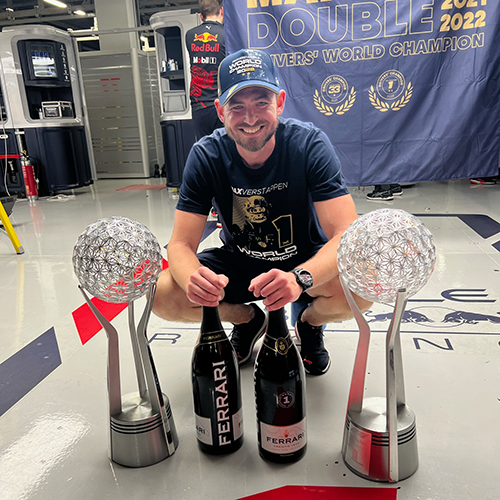
Welcome to Elite Formula Physio & Training, a distinguished hub of custom-tailored coaching in performance enhancement and physiotherapy—services often exclusive to the realm of professional sports. At the helm is Bradley Scanes, a distinguished Human Performance Consultant known for his work with Red Bull Racing & Red Bull Technology. His leadership ensures that our clients receive unparalleled care and exceptional service.
Meet the pillars of our institution: Matt Murray-Downing, with his esteemed background as a Formula 2 Physiotherapist and Performance Coach, and Grace Covington, a seasoned Physiotherapist for the England Women’s Rugby Team. Their combined expertise and distinctive insights greatly enrich the caliber of our offerings.
Here at Elite Formula PT, we commit to designing personalized programs that align with the unique goals and desires of each client. Whether you’re seeking to enhance your sports performance or to bounce back from an injury, our experts are equipped with the knowledge to navigate you towards your aspirations with precision. Embark on this life-changing path and tap into your untapped potential with us!