

Combining Strength and Cardiovascular Exercise within Hybrid Training for Optimal Fitness
Introduction
Hybrid training, also known as concurrent training, refers to a type of exercise program that combines both strength and cardiovascular exercise in a single workout session. This approach has gained popularity in recent years as a way to maximize fitness gains in less time. The theory behind hybrid training is that by combining both types of exercise, trainers can achieve greater improvements in both strength and endurance than by performing either type of exercise alone. This paper will explore the scientific evidence behind hybrid training and its potential benefits, as well as offer practical recommendations for designing an effective hybrid training program.
Theoretical Basis for Hybrid Training
The theory behind hybrid training is based on the idea that different types of exercise stimulate different physiological adaptations in the body. Resistance training, which involves lifting weights or using resistance bands, is primarily used to build muscle strength and size, while cardiovascular training, such as running or cycling, is primarily used to improve cardiorespiratory endurance. Both types of exercise involve different metabolic pathways and produce different physiological responses in the body. For example, resistance training primarily uses the anaerobic energy system, while cardiovascular training primarily uses the aerobic energy system. By combining both types of exercise, trainers can stimulate both systems and potentially achieve greater improvements in both strength and endurance.
Benefits of Hybrid Training
Several studies have investigated the effects of hybrid training on fitness outcomes compared to single-mode training (i.e., only resistance training or only cardiovascular training). A meta-analysis of 21 studies found that hybrid training was more effective than single-mode training for improving muscular strength, muscular endurance, and cardiorespiratory fitness (Gentil et al., 2017). Another study found that hybrid training was more effective than single-mode training for improving body composition, as measured by changes in body fat percentage and lean body mass (Ramirez-Campillo et al., 2013).
The benefits of hybrid training may be due to several factors. First, hybrid training may allow for greater overall training volume, as the combination of different exercises can help prevent overuse injuries and allow for more total work to be performed. Second, hybrid training may stimulate greater motor unit recruitment and activation, leading to greater improvements in muscle strength and size (Hickson, 1980). Third, hybrid training may lead to greater metabolic adaptations, such as improved mitochondrial function and capillary density, leading to greater improvements in endurance (Green et al., 2017).


Practical Recommendations for Designing a Hybrid Training Program
When designing a hybrid training program, several factors should be taken into consideration, including the individual’s fitness level, goals, and preferences. Here are some practical recommendations for designing an effective hybrid training program:
1. Balance strength and cardiovascular training: The ratio of strength to cardiovascular training should be based on the individual’s goals and current fitness level. For example, if the individual’s primary goal is to improve endurance, more emphasis should be placed on cardiovascular training, while if the individual’s primary goal is to build muscle strength, more emphasis should be placed on resistance training.
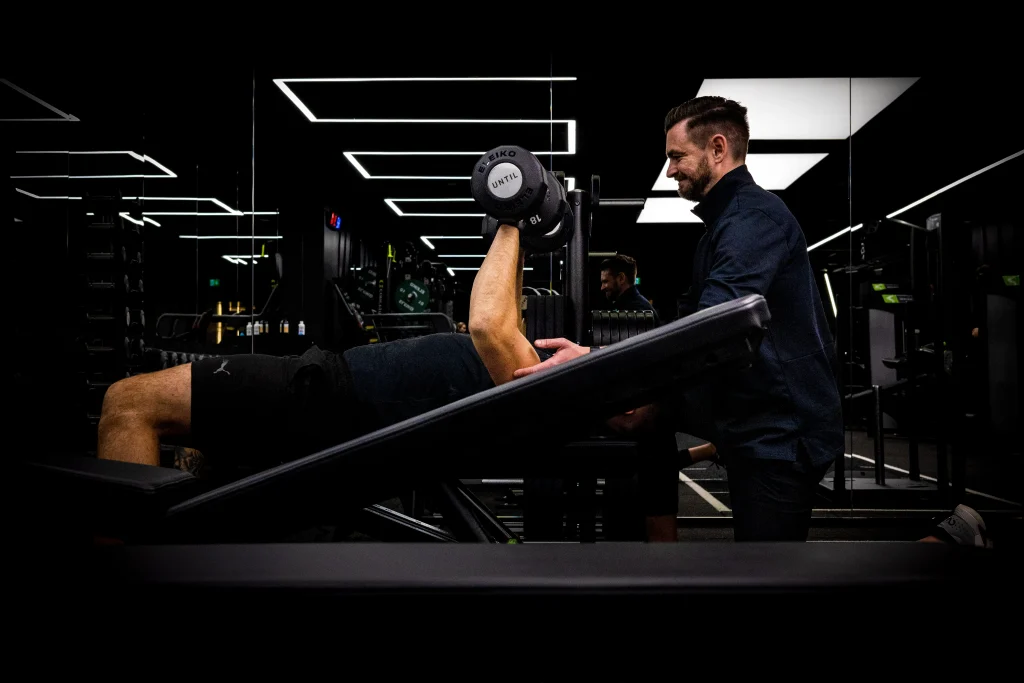
2. Incorporate compound exercises: Compound exercises, which involve multiple muscle groups and joints, are well-suited for hybrid training as they can help stimulate both strength and endurance adaptations. Examples of compound exercises include squats, lunges, deadlifts, and bench presses.
3. Use progressive overload: Like any other exercise program, hybrid training should incorporate progressive overload, which involves gradually increasing the intensity, volume, or frequency of the exercises over time. This can be achieved by increasing the weight lifted, the number of repetitions performed, or the duration or intensity of cardiovascular exercise.
4. Allow for adequate recovery: Hybrid training can be demanding on the body, so it’s important to allow for adequate recovery time between workouts. This may involve alternating between strength and cardiovascular workouts on different days, or incorporating active recovery activities, such as yoga or stretching, on rest days.
Hybrid Training Conclusion
Hybrid training, or concurrent training, is a type of exercise program that combines both strength and cardiovascular exercise in a single workout session. This approach has gained popularity in recent years as a way to maximize fitness gains in less time. The theory behind hybrid training is that by combining both types of exercise, trainers can achieve greater improvements in both strength and endurance than by performing either type of exercise alone. The scientific evidence supports the use of hybrid training for improving muscular strength, muscular endurance, and cardiorespiratory fitness, as well as body composition. When designing a hybrid training program, trainers should consider the individual’s fitness level, goals, and preferences, and incorporate compound exercises, progressive overload, and adequate recovery time.
SIGN UP To Elite Formula Physio & Training
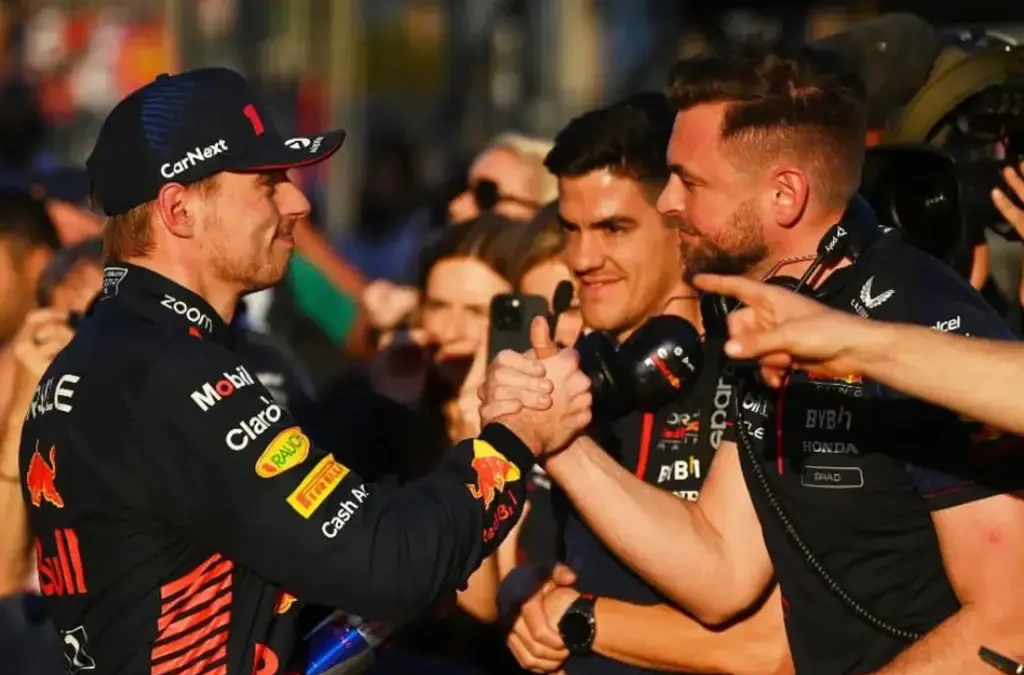
Welcome to Elite Formula Physio & Training, a prestigious destination for bespoke coaching in performance, physiotherapy, and Hybrid Training—an opportunity typically reserved for professional athletes. Our team, led by Bradley Scanes, a renowned Human Performance Consultant at Red Bull Racing & Red Bull Technology, brings a wealth of expertise to ensure the utmost care and excellence for our esteemed clients.
Allow us to introduce the driving forces behind our success: Matt Murray-Downing, a Formula 2 Physiotherapist and Performance Coach, and Grace Covington, an accomplished Physiotherapist for the England Women’s Rugby Team. Together, they contribute their unique knowledge and experience, enriching our approach.
At Elite Formula PT, we are wholeheartedly dedicated to crafting tailor-made programmes that cater to the specific needs and aspirations of each individual. Whether your goal is to elevate athletic performance, explore Hybrid Training, or recover from an injury, our team possesses the necessary expertise to expertly guide you towards success. Unleash your full potential by joining us on this transformative journey!