

Combining Strength and Cardiovascular Exercise within Hybrid Training for Optimal Fitness
Coaching is a complex and multifaceted practice that requires a combination of skills, knowledge, and experience to be effective. Traditionally, coaching has been viewed as more of an art than a science, with the emphasis placed on the coach’s intuition, personal experience, and ability to build rapport with their clients. However, in recent years there has been a growing movement towards evidence-based coaching, which emphasises the use of research and data in coaching practice. This article explores the art and science of coaching, and the importance of balancing intuition with evidence-based practice.
The Art of Coaching
The art of coaching is based on the coach’s ability to connect with their clients on a personal level, build trust, and create a safe and supportive environment for learning and growth. A coach can be vital in facilitating the optimal environment for their client to flourish.
This involves a range of skills, such as active listening, empathy, communication, and the ability to ask powerful questions. The art of coaching is often seen as more subjective and intuitive, relying on the coach’s personal experience and insights to guide their practice.
One of the key strengths of the art of coaching is its ability to adapt to the unique needs and circumstances of each individual client. Coaches who are skilled in the art of coaching are able to tailor their approach to the specific goals, preferences, and learning styles of their clients, creating a customised coaching experience that is both effective and engaging. The ultimate chameleon. This personalised approach can be particularly effective in helping clients to overcome resistance and achieve lasting change.
The Science of Coaching
The science of coaching, on the other hand, emphasises the use of research and data to inform coaching practice. Evidence-based coaching is grounded in the latest research from fields such as psychology, neuroscience, and behavioural science, and is designed to provide coaches with a solid foundation of knowledge and techniques to help their clients achieve their goals.
Evidence-based coaching involves a range of techniques and tools, such as goal-setting, feedback, and measurement, that are based on scientific principles and have been proven to be effective in helping clients to make lasting change. By using evidence-based approaches, coaches can be more confident in the effectiveness of their coaching interventions and can provide their clients with a more structured and systematic coaching experience.


Balancing Art and Science in Coaching
While the art and science of coaching are often seen as separate and distinct approaches, the most effective coaches are those who are able to integrate both approaches into their practice. By combining the intuitive and personalised approach of the art of coaching with the evidence-based and structured approach of the science of coaching, coaches can provide their clients with a more comprehensive and effective coaching experience.
One way to achieve this balance is to use evidence-based techniques and tools as a foundation for coaching practice, while also allowing room for intuition and personal experience to guide coaching interventions. For example, a coach might use evidence-based goal-setting techniques to help their client identify and prioritise their goals, but then use their intuition and personal experience to tailor the coaching approach and environment for change to the specific needs of the client.
Conclusion
Coaching is a complex and multifaceted practice that requires a combination of skills, knowledge, and experience to be effective. While the art of coaching emphasises the coach’s intuition and personal experience, the science of coaching emphasises the use of research and data to inform coaching practice. By integrating both approaches, coaches can provide their clients with a more comprehensive and effective coaching experience.
References:
Grant, A. M., & Cavanagh, M. J. (2016). Evidence-based coaching: Flourishing or languishing? Australian Psychologist, 51(1), 1-14.
Kauffman, C. (2019). The art and science of coaching. Consulting Psychology Journal: Practice and Research, 71(1), 1-17.
Peterson, S. J., & Hicks, M. D. (2019). The art and science of coaching. In The Cambridge Handbook of Coaching (pp. 9-24). Cambridge University Press.
Sonesh, S. C., Coultas, C. W., Lacerenza, C. N., Marlow, S. L., & Salas, E. (2015). The power of coaching: A meta-analytic investigation. Coaching: An International Journal of Theory, Research and Practice, 8(2), 73-95.
Whitmore, J. (2017). Coaching for performance: GROWing human potential and purpose: The principles and practice of coaching and leadership. Nicholas Brealey Publishing.
SIGN UP To Elite Formula Physio & Training
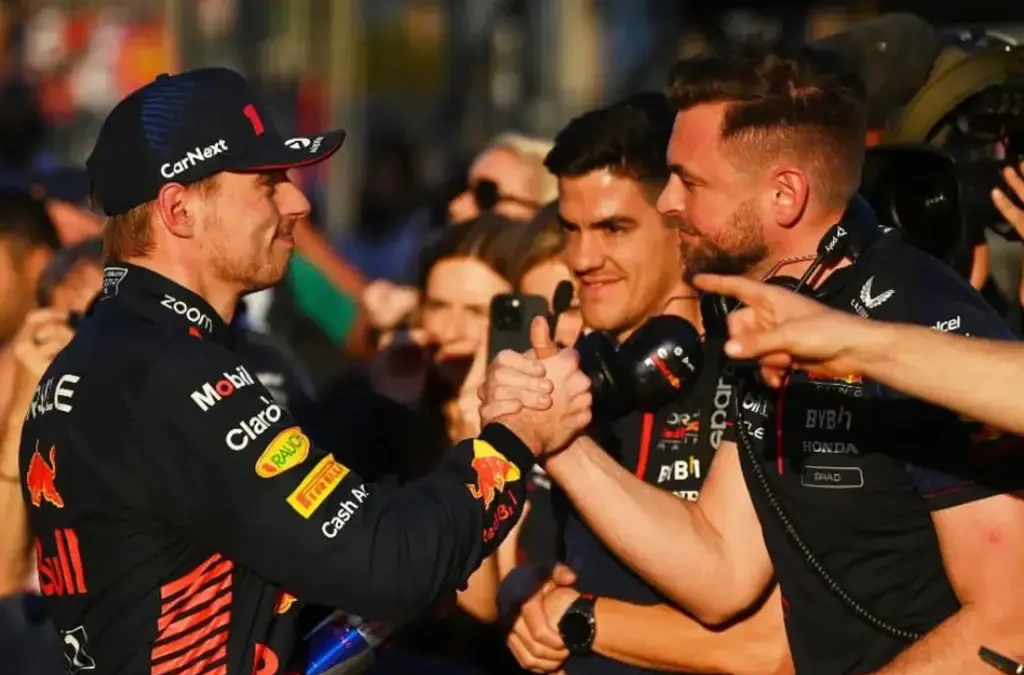
Welcome to Elite Formula Physio & Training, a prestigious destination for bespoke coaching in performance, physiotherapy, Hybrid Training, and remote coaching—an opportunity typically reserved for professional athletes. Our team, led by Bradley Scanes, a renowned Human Performance Consultant at Red Bull Racing & Red Bull Technology, brings a wealth of expertise to ensure the utmost care and excellence for our esteemed clients.
Allow us to introduce the driving forces behind our success: Matt Murray-Downing, a Formula 2 Physiotherapist and Performance Coach, and Grace Covington, an accomplished Physiotherapist for the England Women’s Rugby Team. Together, they contribute their unique knowledge and experience, enriching our approach.
At Elite Formula PT, we are wholeheartedly dedicated to crafting tailor-made programmes that cater to the specific needs and aspirations of each individual, whether they’re seeking to elevate athletic performance, explore Hybrid Training, or benefit from remote coaching. Our team possesses the necessary expertise to expertly guide you towards success, no matter where you are. Unleash your full potential by joining us on this transformative journey!